Digital Health Infrastructure
Secure Patient-Centric Interoperable
Healthcare ecosystem is undergoing a digital transformation everywhere — but identity and data related to authorities, patients, records, processes, etc., remain fragmented, insecure, and inefficient. Our digital identity and verifiable credentials platform enables trusted, privacy-first identity and data exchange across patients, providers, payers, and regulators.
Need for Digitization
Healthcare systems still rely heavily on manual processes, fragmented records, and paper-based workflows. Digitization is no longer optional — it is essential.

High Administrative Overhead
Administrative tasks consume a significant portion of healthcare resources. From managing patient records and billing to coordinating between departments, staff often spend more time on paperwork than on patient care.
Digitization streamlines these processes by automating routine tasks, reducing duplication, and enabling seamless data exchange across systems. This not only lowers operational costs but also allows healthcare professionals to focus on what matters most — delivering quality care.
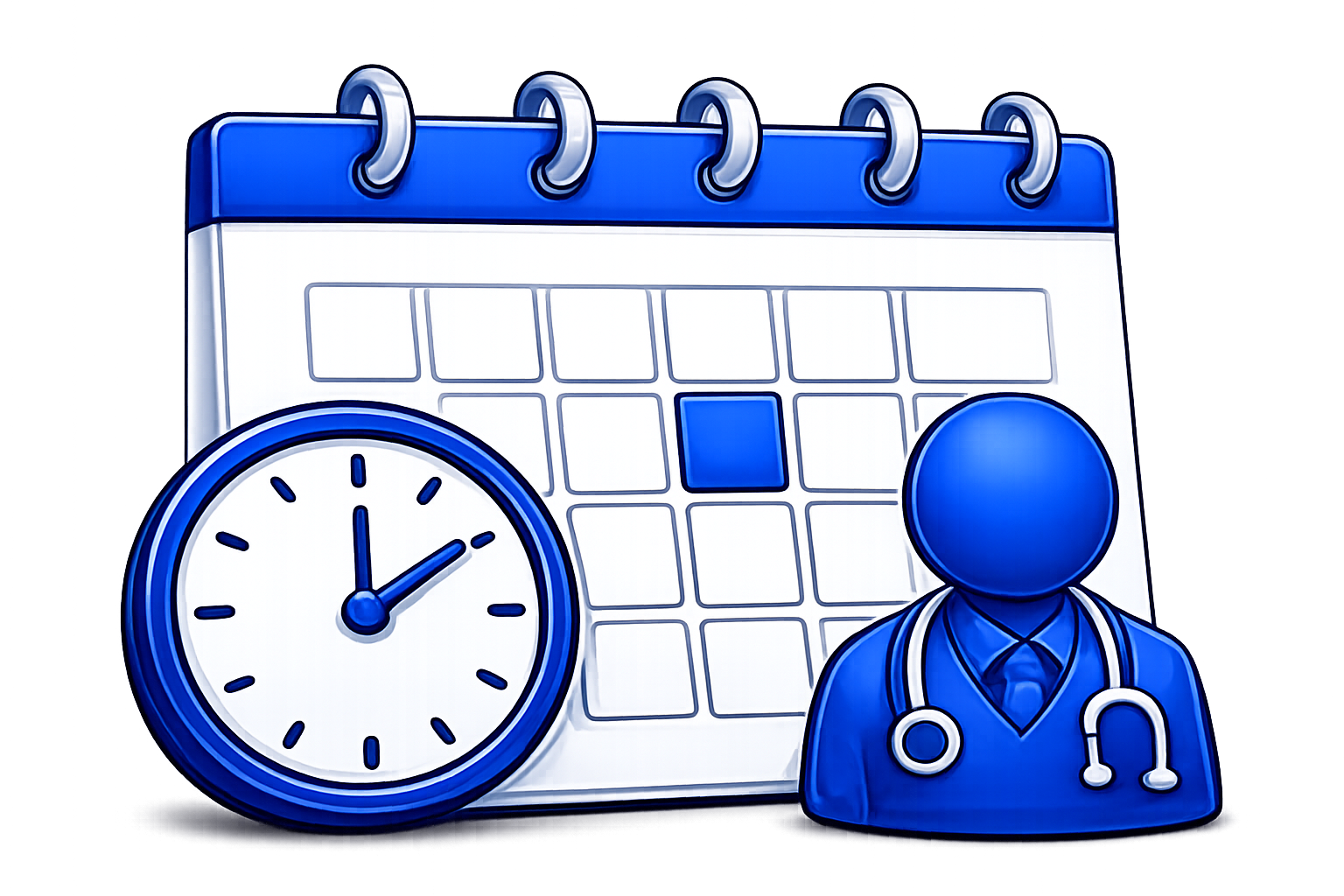
Schedule Delays
Appointment scheduling in traditional systems is often fragmented and inefficient. Miscommunication, manual coordination, and lack of real-time visibility can lead to long wait times, missed appointments, and underutilized resources.
Digital solutions introduce intelligent scheduling systems that provide real-time updates, optimize resource allocation, and enable patients to book and manage appointments. The result is a smoother, faster, and more predictable care experience.
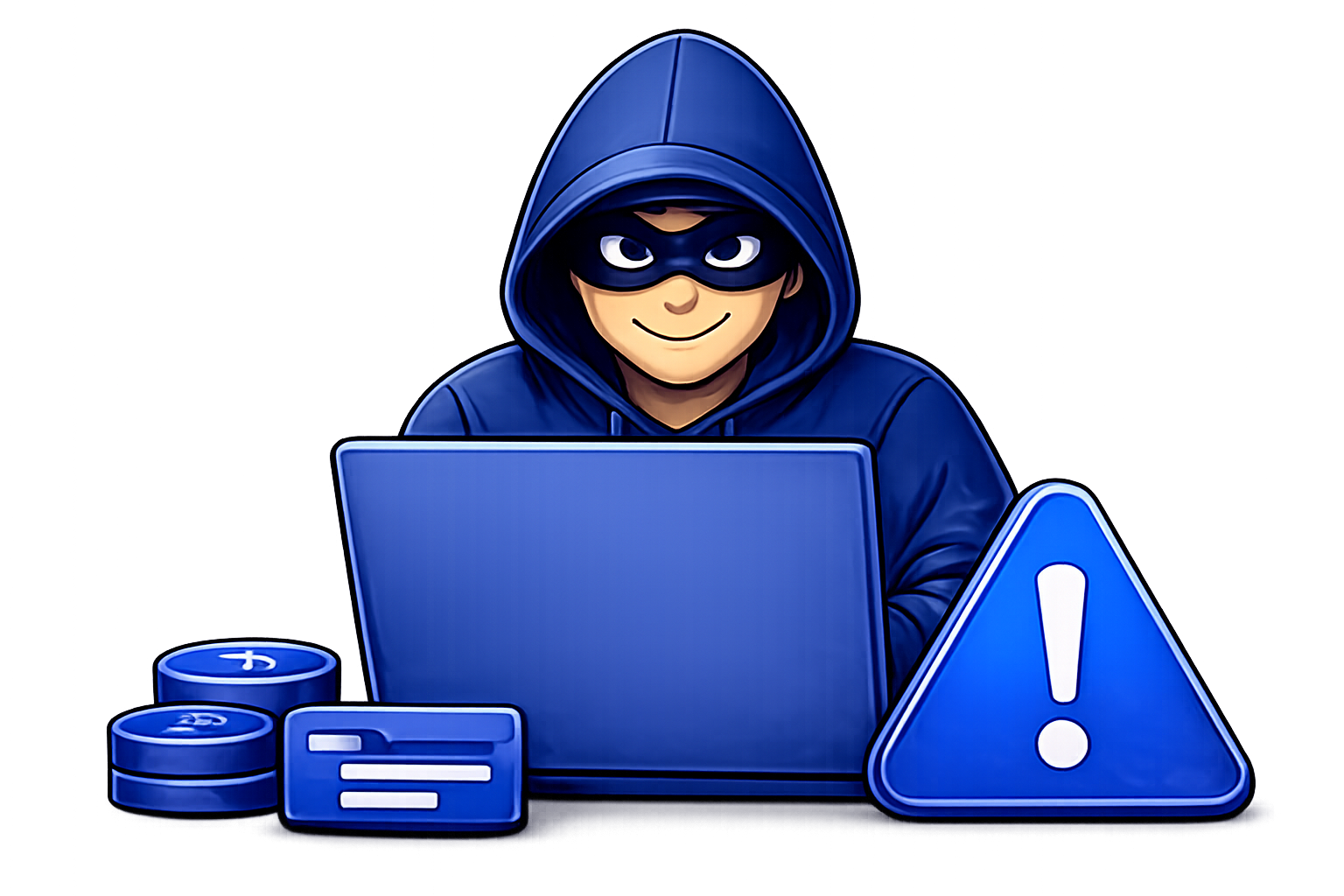
Fraud Risk
Healthcare fraud — ranging from forged documents to identity misuse — poses a serious challenge to the industry. Paper-based systems and siloed data make it difficult to verify authenticity and detect inconsistencies.
Digital systems, especially those built on secure and verifiable frameworks, significantly reduce fraud risk. By ensuring that every record is authentic, traceable, and tamper-resistant, digitization builds trust across the ecosystem and protects both organizations and patients.
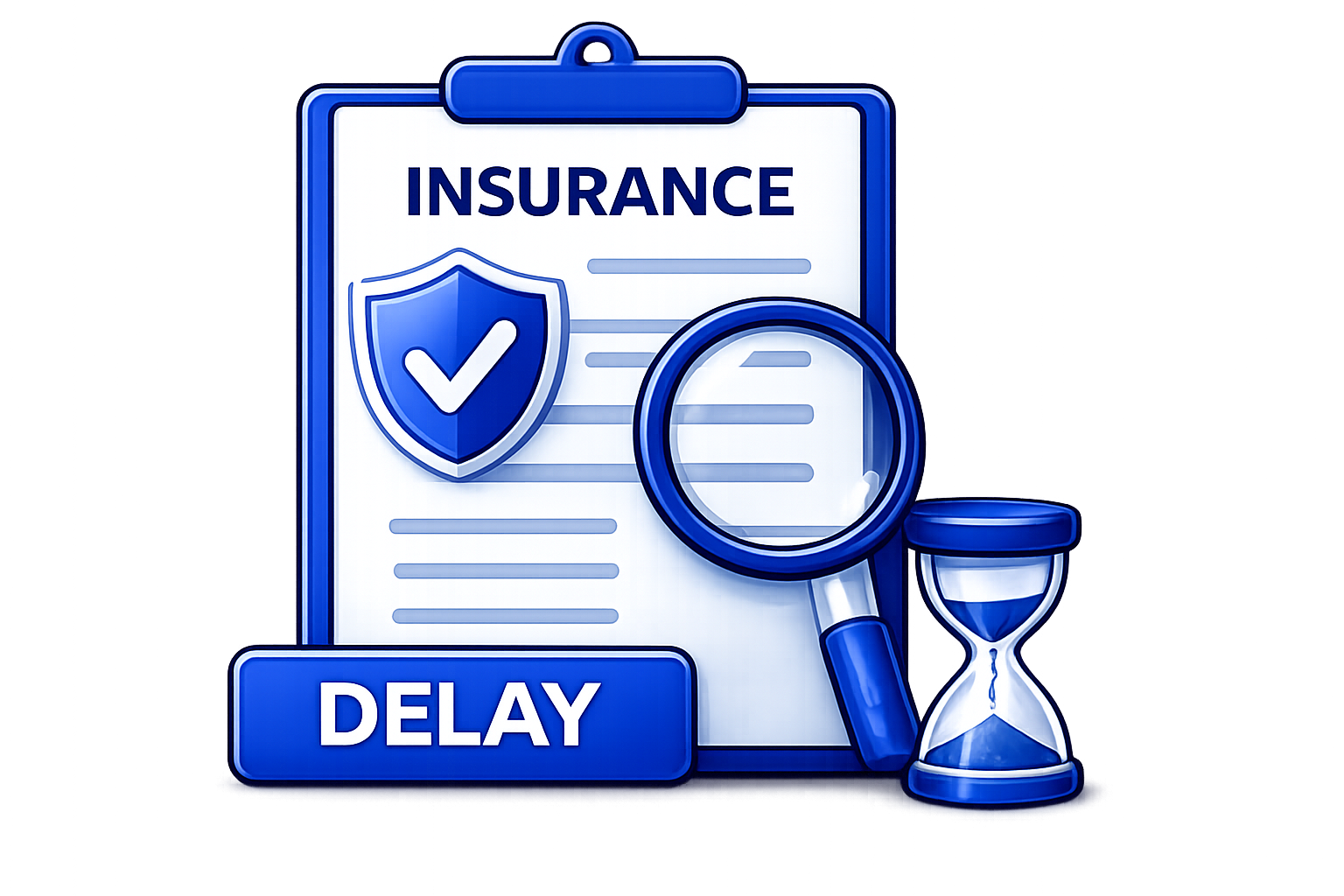
Insurance Processing Delays
Insurance claims are frequently delayed due to incomplete documentation, manual verification processes, and lack of interoperability between providers and insurers. These delays can impact both healthcare providers' cash flow and patients' access to timely care.
Digitization enables faster, more accurate claims processing by ensuring that all required data is securely shared and instantly verifiable. Automated workflows reduce errors and eliminate the need for repeated back-and-forth communication.
Lack of Portability of Medical Data / Records
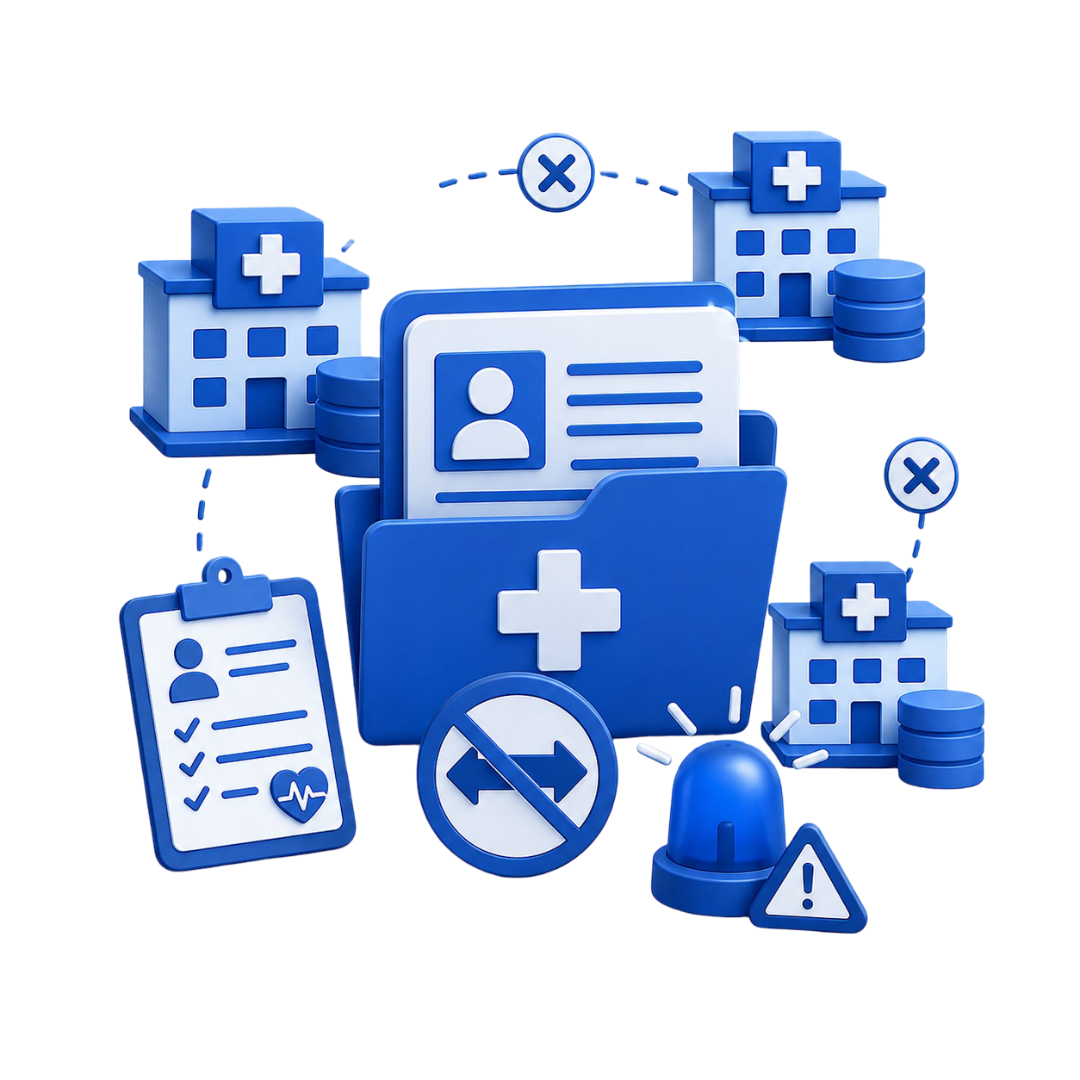
Currently hospitals and labs each have their own method of managing patient identity and the associated medical records, and hence there is no unified method for sharing patient data across hospitals and other entities. Each time a patient visits a new hospital or lab, the non-availability of prior medical reports may lead to unwanted repeated tests and procedures that impose a financial burden and risk the patient's health. The situation becomes even more critical in case of emergencies.
A portable, patient-owned identity layer built on verifiable credentials lets records travel securely with the patient — instantly available, cryptographically verifiable, and shareable across any hospital, lab, or specialist with the patient's consent.
The Trust Triangle
Three roles, one verifiable flow. Issuers attest, holders own, verifiers trust.
Issuer
Hospitals, labs & authorities issue tamper-proof credentials.
Holder
Patients hold credentials in a secure digital wallet they own.
Verifier
Insurers, pharmacies & regulators verify in seconds — no central database.
What We OfferBuilt for Every Stakeholder
One verifiable flow across three roles — authorities issue, patients hold, verifiers trust.
Trusted Credential Issuance
Healthcare organizations generate vast amounts of critical data — from medical records to professional certifications. Our platform enables these entities to become trusted issuers of tamper-proof digital credentials.
- Unique Digital ID — A unique digital identity for doctors, hospitals, diagnostic centres, pharmacies, and patients — verifiable globally.
- Digital Credential Issuance — Convert physical or database records into cryptographically secure digital credentials.
- Standards-Based Infrastructure — Credentials aligned with global interoperability standards, verifiable across systems and geographies.
- Automated Workflows — Integrate with existing hospital systems (EHR/EMR) without disrupting operations.
- Trust & Compliance — Every credential is traceable, verifiable, and compliant end-to-end.
Control Over Health Data
Patients are at the centre of healthcare, yet they often lack control over their own information. Our solution provides a secure digital health wallet where individuals can store and manage their credentials.
- Patient Identity — A unique, portable digital identity that travels with you.
- Digital Health Wallet — Secure wallet for identity, records, insurance, and prescriptions.
- Selective Data Sharing — Prove vaccination status without revealing full medical history.
- Privacy by Design — No central storage; credentials remain under patient control.
- Consent-Based Sharing — Records are shared only with the patient's explicit consent.
Instant, Reliable Verification
Hospitals, clinics, insurers, pharmacies, telemedicine providers, and regulators — anyone who needs to trust a credential before acting on it are the Verifiers.
- Instant Credential Verification — Validate test results, insurance coverage, or medical licenses within seconds.
- Fraud Prevention — Detect tampered or forged documents through cryptographic proof.
- Seamless Integration — Plug into existing systems for onboarding, claims, and credentialing.
- Audit & Compliance Support — Verifiable audit trails for regulatory and operational transparency.
Benefits
Five reasons why Verifiable Credentials change healthcare for the better.
Improved Security
Digital credentials are tamper-proof and issued by trusted authorities. Forged insurance cards or fake medical licenses are rejected automatically — sharply cutting identity fraud.
- Cryptographic verification prevents tampering
- Reduces identity fraud and unauthorized access
Interoperability
Because these digital IDs use open international standards, different hospital systems naturally work together. A patient's record from one hospital can be securely shared with another on demand.
- Standards-based credentials work across systems
- Enables cross-border healthcare interactions
Enhanced Privacy
Decentralized identity means each patient holds their own data and shares only what's needed. Even if one hospital is breached, attackers can't download all patients' records.
- Patients share only necessary information
- No centralized storage of sensitive data
Better Patient Experience
Patients authenticate once and everything flows smoothly. No repeating details at every clinic, no clipboard paperwork, no long queues — just faster, more satisfying visits.
- Faster access to care
- Reduced paperwork
- Greater trust and transparency
Operational Efficiency
Instead of filling reams of forms, patients present pre-verified digital documents. Front-desk staff verify a credential — instantly trusted — rather than manually checking IDs.
- Instant verification reduces overhead
- Automates onboarding and credentialing